

Embroidered Workwear for an Abbotsford Rebrand: Plan the Changeover
The new logo is approved. The website refresh is nearly ready. Then someone opens the cupboard and finds a stack of perfectly wearable sweatshirts bearing the old name.
Planning embroidered workwear for an Abbotsford rebrand means making a few decisions that a logo file alone cannot settle. When should staff start wearing the new identity? What happens to the clothing they already have? And how much should you order before the new look has had a proper review?
Treat the clothing transition as its own small project. A thoughtful plan can keep the public launch clear while giving you time to assess the garments, the design and the people who will wear them.
Define what is actually changing
Start with one sentence describing the rebrand. “Our name is staying, but our symbol and colours are changing” creates a different clothing brief from “Our business will trade under a new name.”
Next, separate essential changes from optional ones. A new name may need to appear on customer-facing clothing from an agreed date. A refreshed colour palette might allow a more gradual transition, depending on your own brand standards. Decide this internally before asking for quantities.
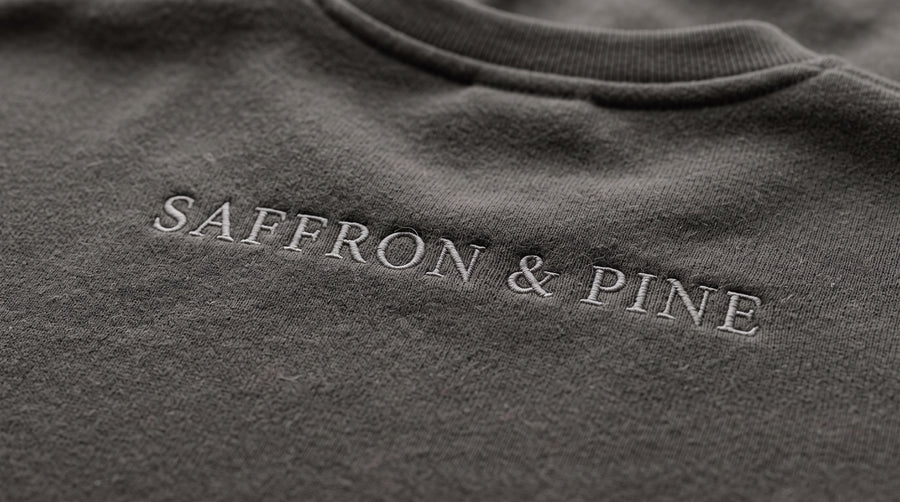
Consider a fictional Abbotsford design studio changing its name while keeping its familiar pine-green colour. The team could explore a new wordmark on the same garment colour. There is no need to change every visual element simply because the launch feels like a fresh start.
Audit the cupboard before building the order
Count what you have, including garments currently worn by staff and unused pieces stored away. Record the garment type, condition, existing branding and who uses it. Keep this inventory separate from the list of new clothing you would like.
Sort each piece into a proposed next step:
- Continue temporarily: Clothing that fits your agreed transition rules.
- Request an assessment: Pieces you would like an embroiderer to examine before you decide their future.
- Retire from branded use: Clothing you have decided should no longer represent the business.
A proposed assessment is not a promise that a logo can be removed, covered or replaced successfully. Ask about the specific garment and existing decoration before budgeting for an alteration. Our guide to embroidery on your own clothing in Abbotsford explains what information to gather when enquiring about supplied garments.
Choose a clear changeover or a defined overlap
There are two useful starting points. A clear changeover gives the team one date to begin wearing the new identity. A defined overlap allows approved older pieces to remain in use for a stated period or purpose.
Choose according to the reason for the rebrand. If the old name would confuse customers, a clear changeover may suit your communication plan. If only the visual style is changing, you may prefer a measured introduction. Neither approach should depend on an assumed production deadline.
For the fictional studio, client meetings might use the new clothing from launch day, while an older sweatshirt remains an agreed option for internal work during the transition. Write that rule down so staff are not left guessing. Confirm whether this distinction suits your business before adopting it.
Review the wearable version before scaling up
A rebrand presentation may show the logo across signs, screens and stationery. Add clothing to that review before treating the artwork as settled for every application.
Ask to see the proposed embroidery dimensions and placement on the chosen garment. If your brand has an approved compact symbol as well as a full wordmark, compare their roles: which piece needs to communicate the name, and where would the symbol alone be sufficient?
Do not quietly substitute an earlier logo because its embroidery file already exists. Give the supplier the approved new artwork and identify it explicitly as replacing the previous version. Ask what review or sampling options are available and what each includes before authorising the full order.

Order around launch roles, then everyday needs
Make the first quantity decision around real use. Who needs new clothing for the launch? Which garments are needed for ordinary work immediately afterwards? Avoid assuming that every person needs every garment at once.
A small studio might first plan pieces for the colleagues attending launch meetings, then assess the wider wardrobe after staff have reviewed the options. This is a planning example, not a recommendation to exclude anyone: explain the sequence and make sure each person knows when their needs will be addressed.
Request pricing and confirmed timing for the proposed stages. Smaller phases are not automatically cheaper, and a later order may involve different availability or costs. Compare the complete plan before choosing it.
Close the loop on the old identity
Before handing out new garments, agree what staff should do with older branded pieces. Will they return them, retain them for an approved use or follow another arrangement? Discuss the options respectfully, especially where people supplied their own clothing.
Keep old artwork for your records, but label it as retired and separate it from files used for ordering. Update the staff clothing brief and tell anyone authorised to place orders which version is current.
The best rebrand transition feels considered from the cupboard to the first customer conversation. Explore Saffron & Pine as you plan your next embroidered pieces, and confirm project suitability, timing and arrangements before setting the clothing launch date. For more visual inspiration, follow Saffron & Pine on Instagram.