

Embroidered Merchandise in Surrey: Plan a Thoughtful First Release
Someone sees your illustration, visits your café or follows your creative work and asks, “Have you ever thought about putting that on a sweatshirt?” It is an encouraging moment. It is also the beginning of a product decision, with more to consider than a logo and a box of garments.
If you are planning embroidered merchandise in Surrey, your first release can begin with one clear idea: a piece your audience would choose to wear. You do not need to solve an entire clothing collection at once.
This guide is for creators and small businesses exploring merchandise for customers. The aim is to turn interest into a manageable first project, with useful feedback and a clear plan for what happens after someone orders.
Give the piece a reason to exist
Start by finishing this sentence: “Someone would want this because…” Try to describe the connection beyond your business name being on the front.
A fictional Surrey illustrator might choose a small character that followers already recognise. An independent café might explore a word or symbol associated with its personality. A creative collective might make a piece that marks a particular project. These are possible directions, not examples of existing customers or local collaborations.
Ask whether the garment works for someone encountering the design for the first time. Can they appreciate it without a lengthy explanation? Merchandise can acknowledge a shared connection while still feeling like a considered item of clothing.
Keep the first question small enough to answer
Choose the central thing you want to learn. Perhaps it is whether people prefer your artwork on a crewneck or whether one particular emblem belongs on apparel at all.
If you introduce several garment styles, many colours and multiple designs together, it becomes harder to understand the response. A quiet reaction might reflect the artwork, the fit, the price or simply too many choices.
Consider starting with one garment direction and one main design, while offering a considered size range subject to supplier options. A focused concept makes your conversations more specific. You can ask about an actual piece instead of asking people whether they like the general idea of merchandise.
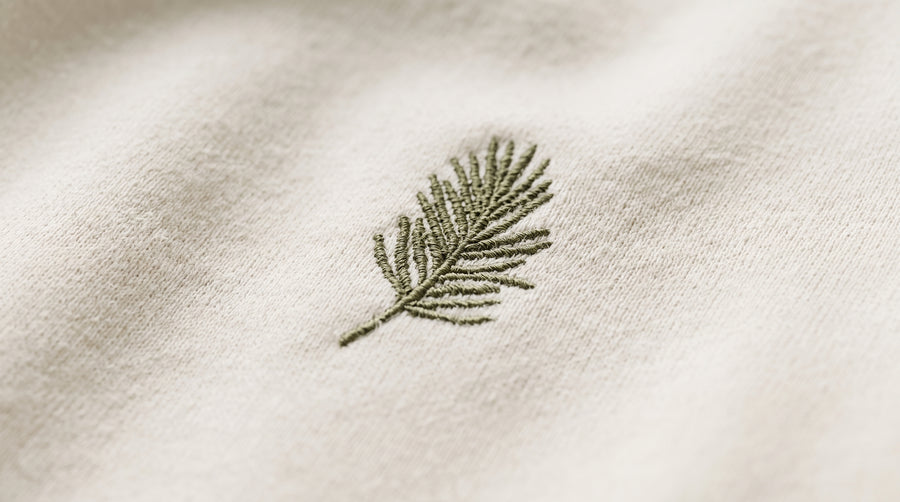
Put a sample at the centre of the conversation
Before announcing a finished product, ask what sampling or proof options are available and what they include. A digital layout can communicate the idea, while a physical sample gives you something tangible to wear, photograph and discuss.
If you obtain a sample, look at the complete garment as well as the embroidery. Try it with the clothes your intended audience might already own. Check the chosen size against the supplied measurements, and note anything you would want explained before purchasing.
Show both a full view and a close detail when gathering opinions. A beautiful close-up tells only part of the story; customers also need to understand the silhouette and where the design sits.
Keep the sample reference and approved artwork together. For help preparing the design file, our embroidery artwork preparation guide provides a useful starting point.
Ask for decisions, not just compliments
“Would you wear this?” is easy to answer kindly. More specific questions can reveal what you need to change before committing to a release.
- Which part would you change before choosing this for yourself?
- Would you prefer this garment or the same artwork in another format?
- What size or fit information would you need before ordering?
- At the proposed selling price, what would you still want to know?
Keep a simple record of the answers. Separate praise for the artwork from interest in the garment. Someone may love your illustration and have no intention of buying clothing; that is useful information, not a failed conversation.
If you use an interest list, explain what signing up means. An expression of interest is not a confirmed purchase. Avoid treating every positive response as a unit already sold.
Decide how the first customers will receive their pieces
Before announcing a release date, work out whether you intend to offer finished stock or take orders ahead of production. Discuss the production arrangements with your supplier before making commitments to customers.
With finished stock, you need a plan for the sizes and quantities you hold. With an advance-order approach, you need clear communication about what is being ordered, when the order window closes and the confirmed steps that follow. Neither approach removes the need for accurate product information.
For a Surrey-focused release, decide how handover will work in practice. Will customers receive their pieces by shipping or another arrangement you have actually established? Do not announce a pickup point, event collection or delivery promise until it is confirmed.
Make the product explanation as considered as the design
Prepare the information a customer will need in one place: garment details verified with the supplier, size guidance, photographs of the approved piece, the embroidery design and the full purchase price. Explain the relevant fulfilment and customer-service terms clearly.
If a photograph shows a sample or a mock-up, label it accordingly. If the final product will differ, describe the change rather than expecting someone to infer it from a caption.
You can also write a short note about the design's meaning. Keep it specific: why this symbol, why this project, why this moment. A real story is enough; there is no need to invent popularity or suggest a release is nearly sold out.
Let the first release teach you something
After the handovers, record what people chose and what questions kept coming up. Ask a few customers what they enjoyed wearing and what information would have made their decision easier. Use that feedback to shape the next version.
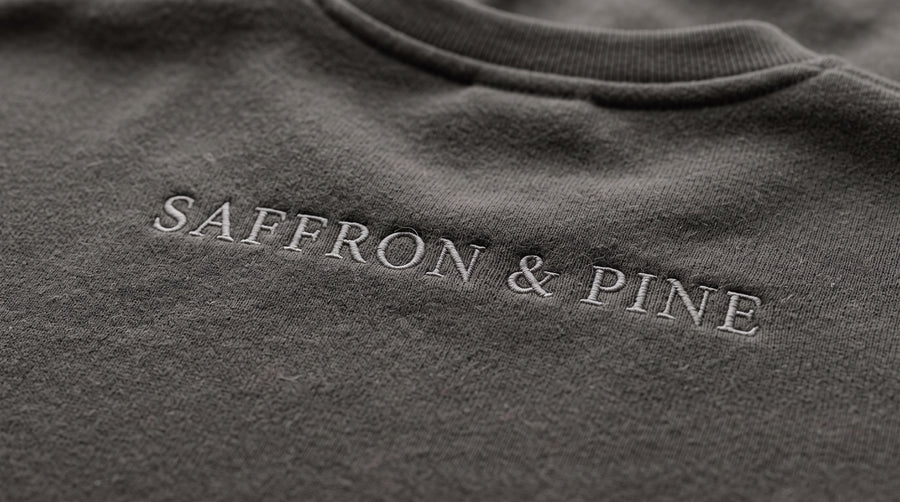
Explore Saffron & Pine as you develop your embroidery brief, and confirm project options directly before planning a release around them. Follow Saffron & Pine on Instagram for more design inspiration. Begin with one piece you can explain clearly and an audience you are ready to listen to.