

Book Club Sweatshirts in Surrey: A Design Beyond the Reading List
The book changes every month. The familiar conversation around it—the enthusiastic disagreement, the tea going cold, the friend who always notices something everyone else missed—is what makes the group yours.
That is a lovely starting point for book club sweatshirts in Surrey. Instead of choosing a design tied to the current reading list, create something that celebrates how your group spends time together. It can still feel right when you have moved from a mystery to a memoir and welcomed someone new.
Think of this as a short creative session for your next gathering: a way to discover a shared design without turning the evening into an endless group chat about fonts.
Begin with a memory, not a favourite cover
Ask each person to finish one sentence: “Our book club is the place where…” Give everyone a moment to write privately before sharing. You might hear “I change my mind,” “we always stay too late” or “someone makes room for a different opinion.”
Look for a feeling that appears in more than one answer. Curiosity, friendship, thoughtful disagreement and the pleasure of returning are all useful creative directions. A shared habit can be more distinctive than the obvious outline of a book.
Imagine a fictional Surrey group that meets around a member's kitchen table. Their strongest memory is the pot of tea refilled halfway through every discussion. A small teacup drawing could carry more of their identity than the title they happen to be reading this month. Another group might choose an open doorway to express the welcome they want newcomers to feel.
Try three design directions before discussing details
Choose three genuinely different concepts, each described in a single sentence. Resist making ten nearly identical versions with different lettering. The early decision is about meaning.
- The club name: A clear wordmark built around the name members already use. This suits a group that enjoys being recognised as a reading circle.
- The shared ritual: An original drawing of a familiar object—a cup, a chair or a bookmark—that recalls time spent together.
- The private symbol: A small motif that makes sense to members without explaining the whole story to everyone else.
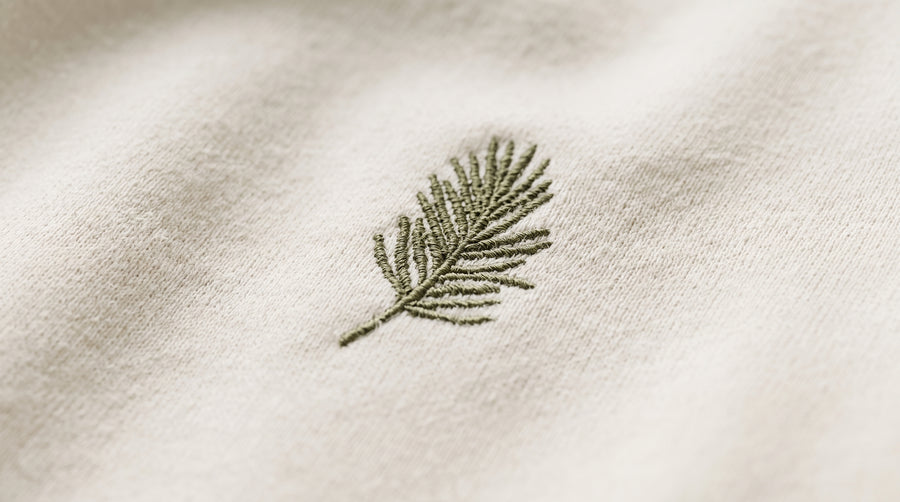
A botanical emblem, for example, might suit a group that connects reading with growth. It should be chosen because the idea resonates, not because every book club needs a leaf. Use references to describe the mood you like, then develop artwork intended for your own group.
Choose the idea people want to live with
Show the three directions with the same amount of care. A polished drawing can win against a rough sketch simply because it looks more finished, even when the underlying idea is less meaningful.
Ask members to answer two questions separately: “Which idea feels most like us?” and “Which would I choose to wear away from a meeting?” The answers may differ. That difference is useful: it shows where a strong club identity still needs a more wearable expression.
If a large emblem feels right for the group but too conspicuous for several members, explore a smaller version before abandoning the idea. If the wording feels too formal, try the familiar name you actually say aloud. Aim for an option people can comfortably support, rather than treating a narrow majority as the end of the conversation.
Keep purchasing optional. Enjoying the club should not depend on buying a sweatshirt, and nobody needs to explain their budget or wardrobe preferences to remain part of the group.
Let Surrey be part of the story when it belongs
For a Surrey reading circle, the city name might be a meaningful part of the club's identity. It could sit within the group name or appear as a secondary line. But a local garment does not have to resemble a souvenir.
Ask what the location contributes. Does “Surrey” help describe the community you are building? Would members who move away enjoy keeping that connection? If so, include it intentionally. If your shared ritual says more, let that lead.
Use your own group name and artwork. Do not add a library, café or community organisation's identity simply because you have met there. The sweatshirt should accurately express your group, without suggesting an affiliation you have not established.
Leave room for the next reader
A list of current members can make a lovely snapshot, but it also fixes the garment to one moment. Decide whether you want a keepsake of this particular year or an ongoing club identity. Both are worthwhile; they answer different questions.
For an ongoing design, consider keeping the shared mark independent of the roster and current book selection. A future member can then receive the same welcoming symbol without being added to a long embroidered list.
If the occasion is a milestone gathering, put the reading history or members' messages in a card or small booklet. That gives the story room to breathe while allowing the sweatshirt to remain simple. You can celebrate the evening fully without asking one garment to hold every detail.
Turn the chosen concept into one clear brief
Once the group has chosen a direction, write down what it means and what must remain in the design. For example: “An original teacup motif representing our kitchen-table discussions; no book title; understated enough for everyday wear.”
Add the intended garment, proposed placement and any exact wording. Ask what design review or sampling options are available before collecting final commitments. Our guide to embroidery proofs and stitch-outs can help you understand those previews.
Explore Saffron & Pine with your shared idea in hand, and confirm project options and arrangements directly. Follow Saffron & Pine on Instagram for more embroidery inspiration. The strongest club design may be a small reminder of something wonderfully ordinary: there is a place for you at the table.